Publish on Aug 05, 2026
Medically Reviewed By Dr Jaineel Parekh, MDS orthodontics
Can Overlapping Teeth Be Fixed? Treatment Options and Causes
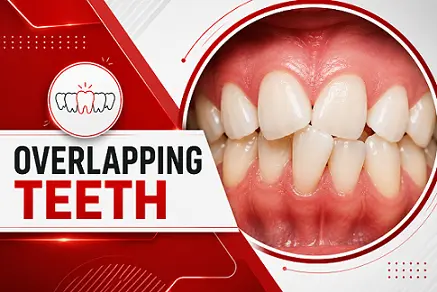
Overlapping teeth is one of the most common dental concerns people face. It affects people of every age group. If you notice one or more of your teeth in forwardly placed than the rest of the teeth, behind, or crossing over another tooth, you may be dealing with this condition.
Mild overlaps are hardly noticeable. But moderate to severe overlapping can affect the bite, your oral hygiene and confidence.
This blog explains what overlapping teeth causes, the problems it can create if left untreated, and the overlapping teeth treatment options. Including how clear aligners have changed the way it is treated.
What are overlapping teeth?
Overlapping teeth occur when there isn’t enough space in the jaw for all your teeth to sit in a straight line. As a result, one or more teeth grow over or behind a tooth. This is what dental crowding or crooked teeth are.
Overlapping can appear in the front teeth, where it is very visible or back in the mouth where it goes unnoticed for years.
Overlapping teeth causes
Understanding the root cause of overlapping teeth will help in choosing the right treatment. It can be due to:
1. Genetics
Jaw size and tooth size are usually inherited.
If your jaw is smaller to fit all the teeth. Crowding and overlapping are likely to occur. Even if you have perfect oral health.
2. Childhood habits
When in childhood thumb-sucking, pacifier use and bottle feeding exceeds the recommended age; it can slowly push developing teeth out of position.
These habits will cause consistent pressure on the jaw and teeth during the growth years.
3. Premature loss of baby teeth
When a baby tooth falls out too early, neighboring teeth can shift in space.
This leaves less room for the permanent teeth meant to grow there.
4. Impacted or emerging wisdom teeth
Wisdom teeth that comes out in a small jaw will move the nearby teeth out of the line.
5. Injuries or trauma
An injury to your face near the jaw or teeth can change the shape and alignment. This results in uneven spacing or shifting between teeth.
6. Gum disease
Sometimes problems related to your gum can also cause overlapping. This makes them shift from their place or loosen over time.
Problems caused by overlapping teeth
People with overlapped teeth report that it is not just a cosmetic issue It is more than this. If left untreated for a long time, it can cause problems to oral health and functions. Like:
Difficulty cleaning teeth
Crooked teeth are hard to reach with a toothbrush or a floss. This leads to the buildup of food resulting in plaque. Causing cavities, bad breath, and other problems.
Gum problems
Poor cleaning leads to gum diseases over time. This causes gingivitis (gingival inflammation) and other periodontal diseases.
Tooth wear
This leads to excessive wear on certain teeth, resulting in jaw discomfort.
Pain and headaches
There is a common muscle that connects your jaw and head. Due to crooked teeth causing uneven pressure, it leads to muscles working harder. This results in soreness in the jaw, clicking sound on opening or closing, and tension headaches.
Poor self-confidence
A crooked smile can make people self-conscious when speaking or smiling in public. This affects professional and personal development.
Speech problems
In many cases, overlapping front teeth can affect pronouncing certain letters.
Overlapping teeth treatment
The right treatment depends on how severe the overlap is, your oral hygiene, and personal preferences. The most widely suggested options are:
1. Clear Aligners
The most preferred choice for correcting overlapped teeth. Especially for mild to moderate cases.
They are transparent, medical grade plastic removable trays, custom-made from your own teeth size. They sit on your teeth and gradually shift into the correct position through a series of < href="https://www.illusionaligners.com/" target="_blank" style="color: #e31a34;">aligners.
2. Dental Veneers
Veneers are ultra-thin shells. They are bonded to the front surface of the teeth. They are like your natural teeth, colour, texture, and translucency.
This improves your appearance. It is a quick cosmetic fix for very mild overlaps. But they don’t actually move their teeth or align the jaw. This means the underlying issue remains unresolved.
3. Braces
Metal or ceramic braces have been used for decades to correct overlapping teeth.
Brackets or wires apply constant pressure to gradually move teeth into position.
They are effective for even severe cases. Since they are fixed in one place and are highly visible, they come with a lot of disadvantages to the patient. However, some cases still require this intervention.
Why choose clear aligners for overlapping teeth?
Clear aligners come with several advantages:
Transparent look
They are almost invisible, so ongoing treatment doesn’t affect your appearance and confidence.
Removable
This allows normal eating without any restrictions, easy brushing and flossing.
Custom-made
This is made according to your teeth size for an accurate and comfortable treatment. Your orthodontist is involved at every step.
Predictable results
Since the treatment is mapped out digitally from start to finish. So, you can view your end-result smile before the treatment even begins.
At Illusion Aligners, every treatment plan begins with a quick dental check-up and digital smile simulation. So, you know what to expect before the treatment even begins.
Conclusion
Overlapping teeth is a common but treatable condition. Whether it is caused by genetics, habits, or other factors. From clear aligners to veneers, there are more comfortable and effective solutions available today than ever before. If you’re considering treatment, consult an expert orthodontist. They will identify the problem and give you the right approach. Now take the first step towards a straighter and healthier smile.
You may also like
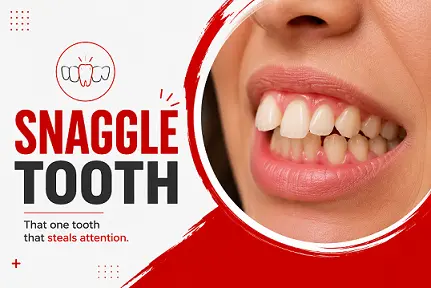
Snaggletooth: Causes, Treatment Options, and How Clear Aligners Can Help You Smile with Confidence
Aug 05, 2026 Dr Jaineel Parekh, MDS orthodonticsDo you have that one OUTSTANDING tooth? The one who always shows its presence while speaking, smiling and clicking photo...
Read More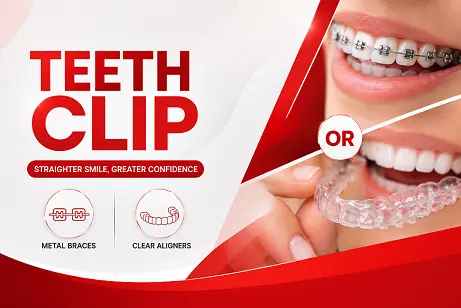
Teeth Clip: Types, Treatment and How it Works
Aug 05, 2026 Dr Jaineel Parekh, MDS orthodonticsTeeth clip is a common term used for clear aligners and metal braces. These clips help correct crooked, crowded, spaced,...
Read More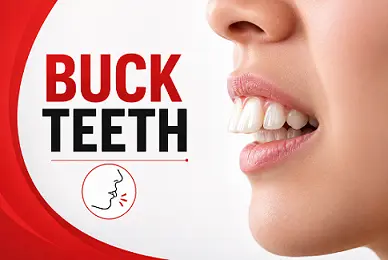
Buck Teeth: Causes, Treatments, and Real Before‑and‑After Results
Aug 05, 2026 Dr Jaineel Parekh, MDS orthodonticsBuck teeth also known as overjet, is a condition where the upper front teeth are placed forward than the lower teeth. Th...
Read More
What Are Damon Braces? Types, Benefits & Price Guide
May 18, 2026 Dr Jaineel Parekh, MDS orthodonticsIf you’ve been researching teeth straightening, you might have come across Damon braces. You might wonder what makes t...
Read More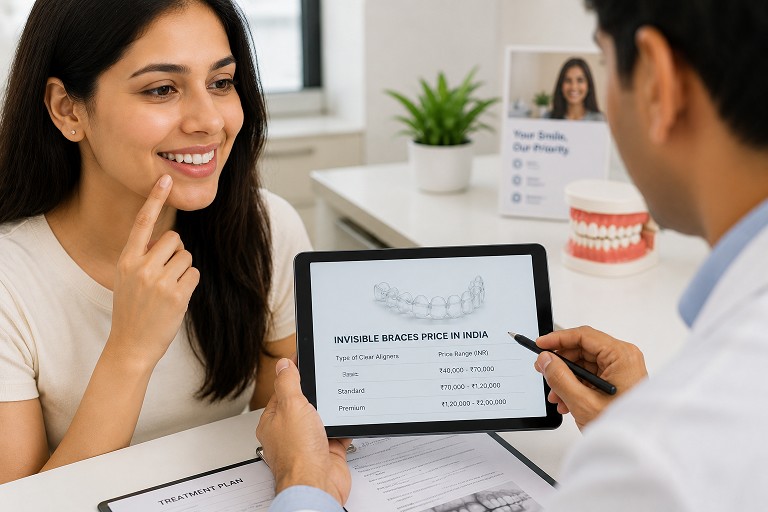
Invisible Braces Price in India: City-wise Breakdown
May 18, 2026 Dr Jaineel Parekh, MDS orthodonticsInvisible braces or clear aligners are a modern-day solution to crowded and gapped teeth. Teenagers, young adults and pa...
Read More
Why You Might Have Disturbed Sleep: Let's Talk About Sleep Apnea
Jan 21, 2026 Dr Jaineel Parekh, MDS orthodonticsHave you ever woken up gasping for air? Or has someone told you that you snore loudly, even sounding like you’ve stopp...
Read More
Smile Makeover: What You Need to Know
Oct 04, 2025 Dr Jaineel Parekh, MDS orthodonticsHave you ever looked at your smile in the mirror or your smiling photo and wished your smile looked better? Maybe your t...
Read More
Clear Aligners Near Me – Why Choosing Illusion Aligners in Your Area Matters
Sep 23, 2025 Dr Jaineel Parekh, MDS orthodonticsAre you the one who keeps on thinking about getting teeth aligners, and after searching for aligners, you almost remembe...
Read More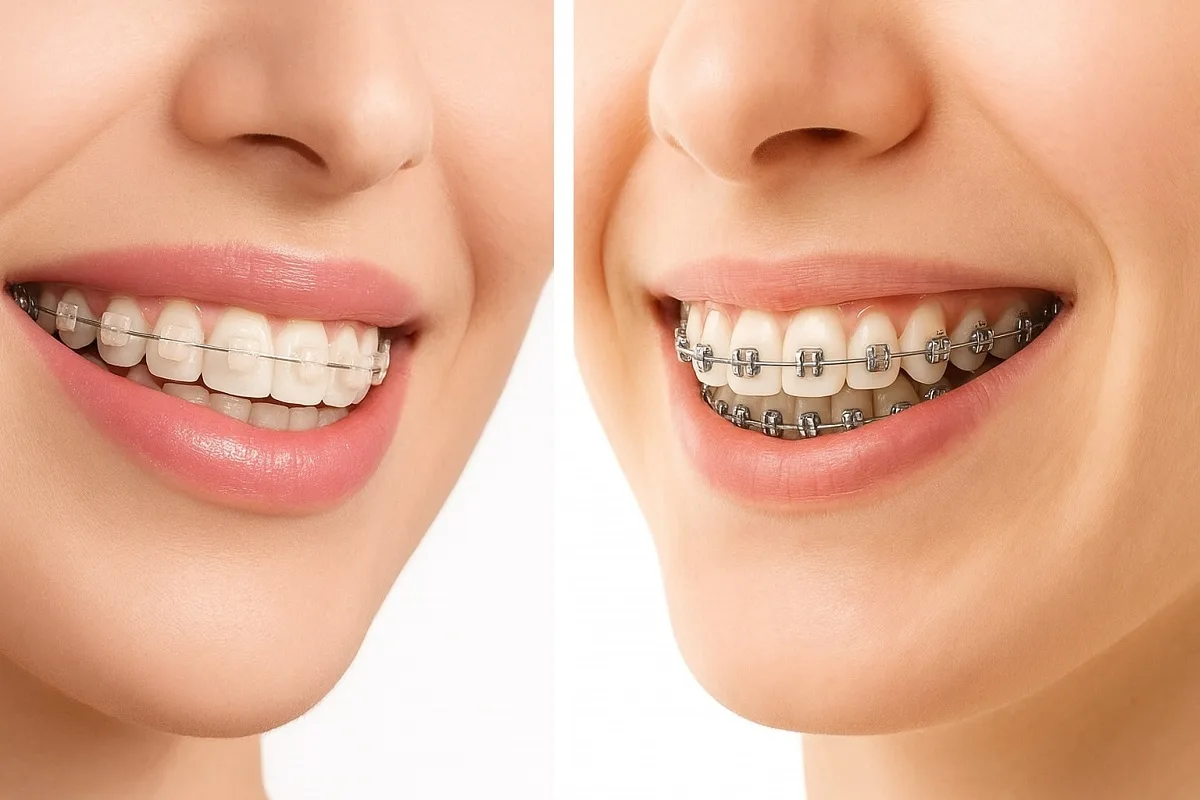
Ceramic Braces vs Metal Braces: Now Make a Decision with No Confusion!
Aug 25, 2025 Dr Jaineel Parekh, MDS orthodonticsWhen it comes to straightening teeth, braces are a trusted solution. But not all braces are the same. Many patients toda...
Read More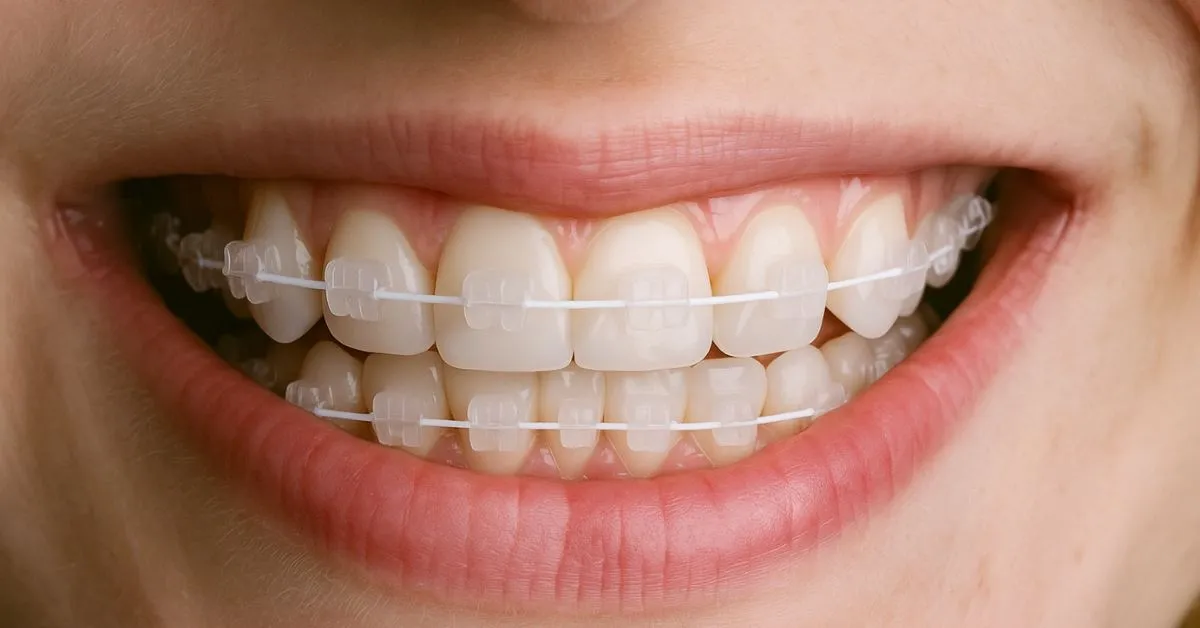
Why Are Ceramic Braces a Popular Choice Over Other Braces?
Aug 18, 2025 Dr Jaineel Parekh, MDS orthodonticsWe all have seen people getting their teeth aligned using metal braces. But the problem is, they just show up too much, ...
Read More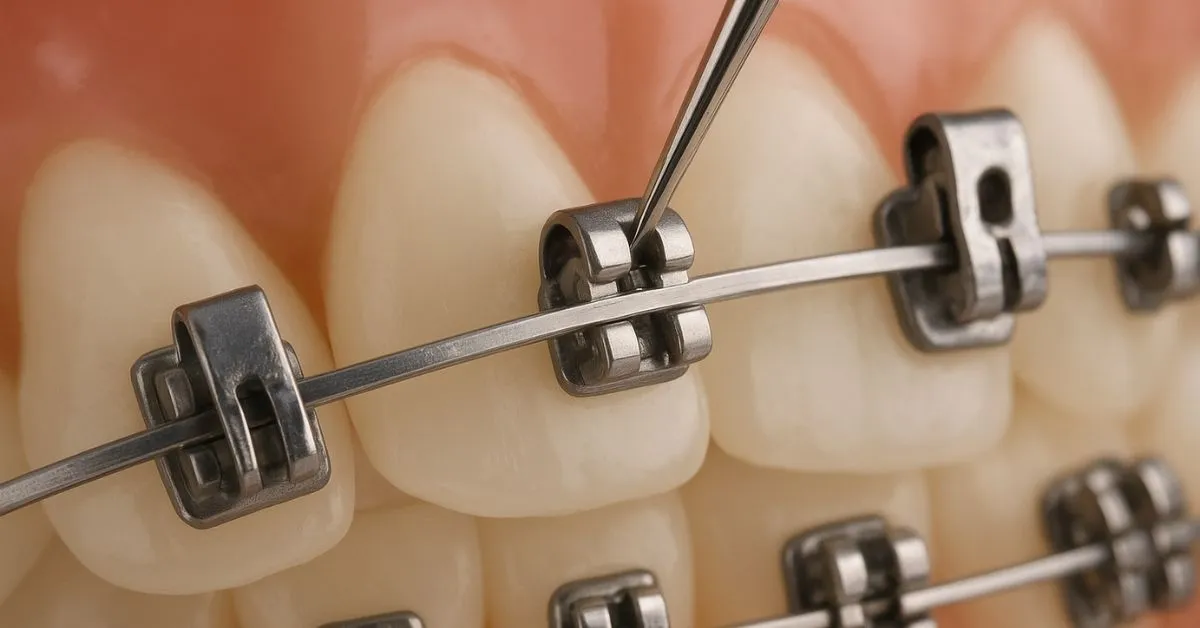
Self-Ligating Braces: An alternate option to traditional braces
Aug 18, 2025 Dr Jaineel Parekh, MDS orthodonticsTraditional metal braces have always been the standard solution for straightening teeth. As technology advances, so do t...
Read More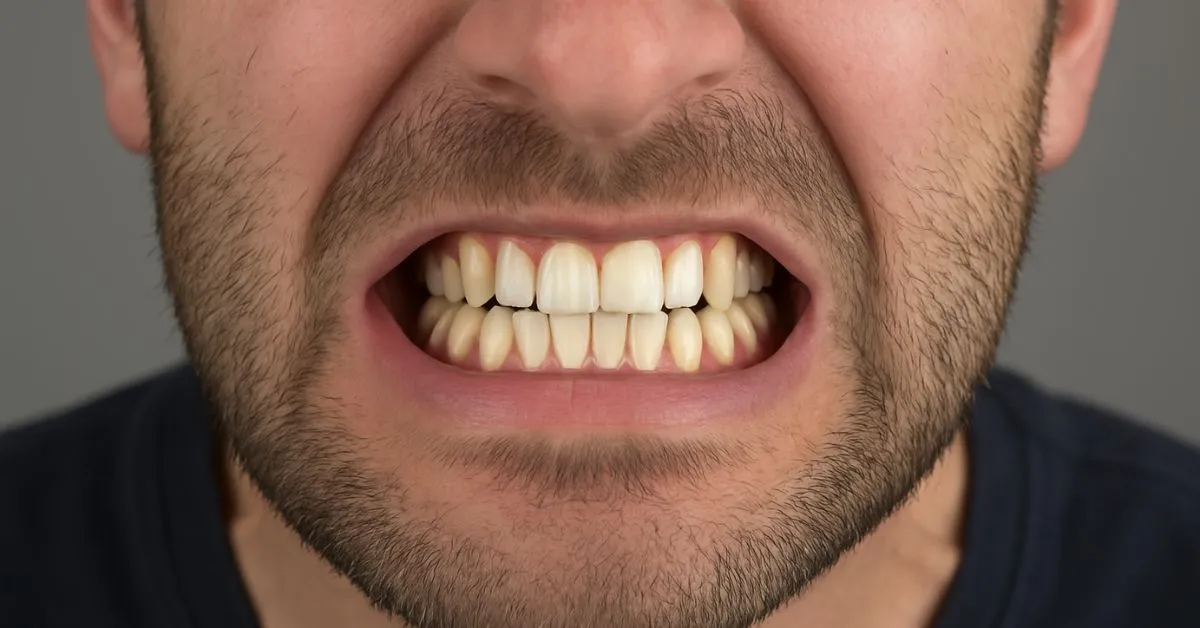
Understanding and Naturally Managing Teeth Grinding
Aug 18, 2025 Dr Jaineel Parekh, MDS orthodonticsDo you wake up with a sore jaw or aching head at times? There are many with you, many people wake up with this ache, and...
Read More.webp
)
What Is TMJ? Signs, Symptoms & Solutions
Aug 16, 2025 Dr Jaineel Parekh, MDS orthodonticsEver felt a strange clicking sound in your jaw? Or have you experienced pain while eating or yawning? All these symptoms...
Read More
Understanding Crooked Teeth: Causes, Risks, and Treatment Options
Jul 29, 2025 Dr Jaineel Parekh, MDS orthodonticsIn addition to being aesthetically beautiful, having a straight and aligned smile is essential for good oral health. Too...
Read More
Understand Malocclusion: Causes, Symptoms and Treatment Alternatives
Jul 29, 2025 Dr Jaineel Parekh, MDS orthodonticsHave you ever observed people with crooked teeth or oddly shaped jaws and wondered what it was? Are you someone who has ...
Read More
Difference Between Aligners and Braces: Which is the best option?
Jul 29, 2025 Dr Jaineel Parekh, MDS orthodonticsIn this blog, lets know the various teeth straightening methods, the difference between invisible aligners and braces, a...
Read More.jpg)
Teeth Gap Fillings: Reduce Gaps and Achieve a Beautiful and Healthy Smile
Jul 29, 2025 Dr Jaineel Parekh, MDS orthodonticsTeeth gaps (Diastema) affects your smile, self-confidence & oral health. Here we discuss the causes of teeth gaps, how t...
Read More
Effortless Teeth Alignment to Embrace Your Lifestyle
Jul 29, 2025 Dr Jaineel Parekh, MDS orthodonticsA confident smile is the perfect accessory that is always in style. If you are preparing for a big presentation or a spe...
Read More
Teeth Retainer: Understanding the significance to preserve a radiant
Jul 29, 2025 Dr Jaineel Parekh, MDS orthodonticsYour smile is a work of art that exudes charm and confidence. The purpose of a tooth retainer is its undiscovered secret...
Read More
Understanding Teeth Gap: The Smile Enhancement Guide
Jul 29, 2025 Dr Jaineel Parekh, MDS orthodonticsAre the spaces between your teeth bothering you and making it difficult to speak and chew food? The capacity to chew foo...
Read More
Invisible Aligners: Revealing Their Amazing Smile-Improving Benefits
Jul 29, 2025 Dr Jaineel Parekh, MDS orthodonticsToday, when appearances matter more than ever, many people desire a beautiful smile that radiates confidence. Now that o...
Read More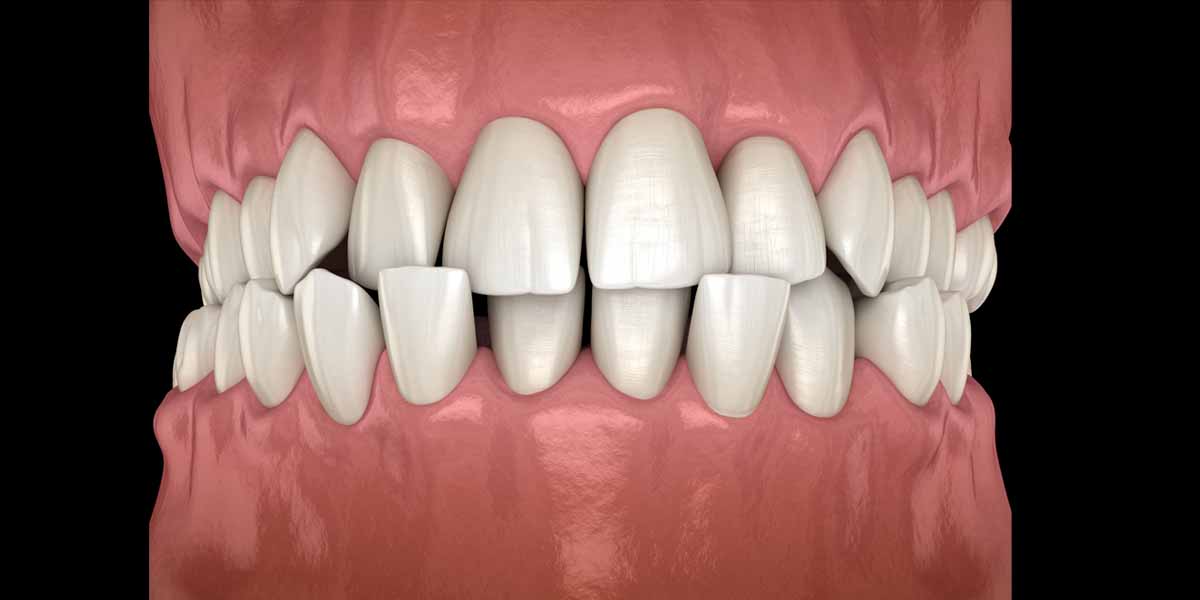
Crossbite Explained: Causes, Symptoms, and Effective Treatments
Jul 29, 2025 Dr Jaineel Parekh, MDS orthodonticsA misaligned bite can lead to several dental health problems beyond aesthetic concerns. A crossbite is a dental alignmen...
Read More
Open Bite: Dentistry's Approach to Understanding and Treatment
Jul 29, 2025 Dr Jaineel Parekh, MDS orthodonticsAn open bite, a common dental anomaly, can significantly affect a person's smile's functioning and cosmetic appeal. The ...
Read More2.jpg)
Everything about Overbite: Causes, Types, and Treatments
Jul 29, 2025 Dr Jaineel Parekh, MDS orthodonticsWhen the jaws are closed, an overbite, sometimes called a deep bite, occurs where the upper anterior or front top teeth ...
Read More
Clear Aligners Cost: Price, Factors & Treatment Guide
Jul 29, 2025 Dr Jaineel Parekh, MDS orthodonticsToday, Aligners are the most convenient option for the orthodontic treatment of crooked teeth. They help in treating a w...
Read More
Affordable Braces Cost: Your Guide to Orthodontic Treatment Expenses
Jul 29, 2025 Dr Jaineel Parekh, MDS orthodonticsBraces are orthodontic devices used to correct bite and teeth alignment issues. In the last two to three decades, there ...
Read More
Cost of Invisible Aligners: Factors, Materials & Treatment Impact
Jul 29, 2025 Dr Jaineel Parekh, MDS orthodonticsInvisible aligners offer a comfortable solution to correct crooked teeth and gaps. They provide several advantages over ...
Read More
Clear Braces Unveiled: Embracing Benefits, Maintenance, and Choice
Jul 29, 2025 Dr Jaineel Parekh, MDS orthodonticsClear or transparent braces are becoming increasingly popular as a hidden and efficient treatment for people who want a ...
Read More
Underbite: Causes, Effects, and Treatment Options Explored
Jul 29, 2025 Dr Jaineel Parekh, MDS orthodonticsAn underbite is a condition in which the bottom teeth are positioned forward compared to the upper teeth, creating the i...
Read More
Malocclusion in Children: Causes, Signs and Treatment
Jul 29, 2025 Dr Jaineel Parekh, MDS orthodonticsCrooked / crowded teeth can hamper the level of confidence in children. So, what are the causes for malocclusion in chil...
Read More
Misaligned Smiles: What Are the Causes of Malocclusion in Children?
Jul 29, 2025 Dr Jaineel Parekh, MDS orthodonticsIn this article, we'll break it down in simple terms, explaining what causes malocclusion in children and how to detect ...
Read More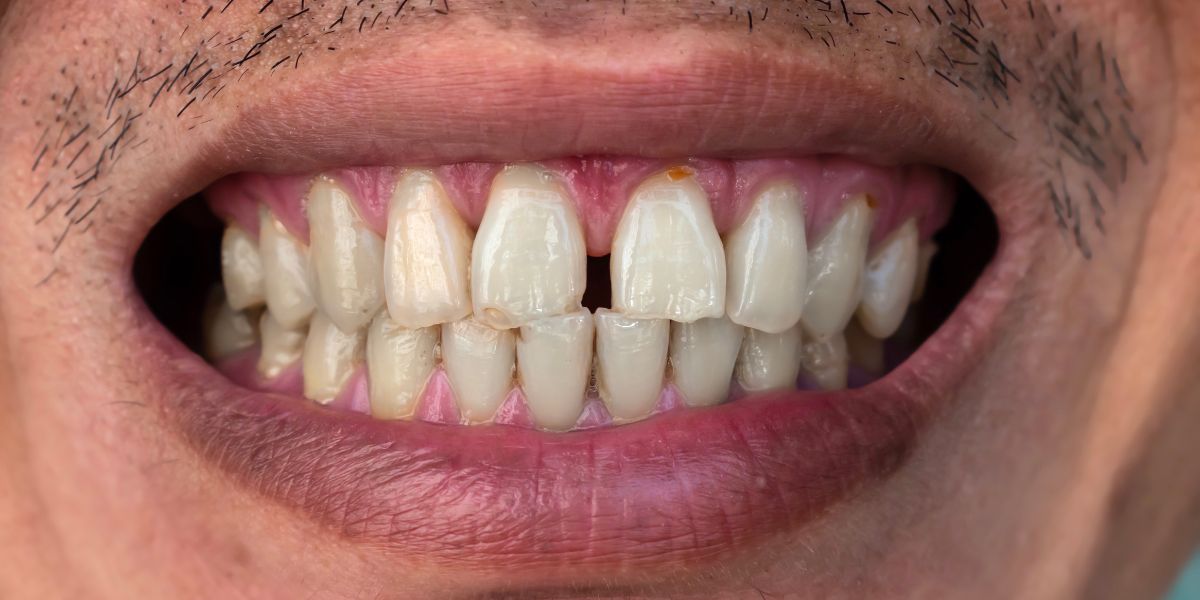
Understanding Diastema: Exploring Gaps Between Teeth
Jul 29, 2025 Dr Jaineel Parekh, MDS orthodonticsDiastema stands for gap/space between teeth. It affects your smile & decreases your confidence. Let know the meaning of ...
Read More
Do You Really Need a Mouth Guard? Here’s What Dentists Say
Jul 28, 2025 Dr Jaineel Parekh, MDS orthodonticsIf you’ve been told that you grind your teeth, snore, or else wake up with a headache or jaw pain, a mouth guard could...
Read More
Thinking of Getting Lingual Braces? Read This First!
Jul 28, 2025 Dr Jaineel Parekh, MDS orthodonticsIn a world where aesthetics matter just as much as the results. Lingual Braces have quietly become an effective option f...
Read More
Ceramic Braces Cost in India – A Clear Guide Without Confusion
Jul 28, 2025 Dr Jaineel Parekh, MDS orthodonticsWho does not want to treat their crooked teeth, but what they stay away from is the idea of wearing shiny metal wires an...
Read More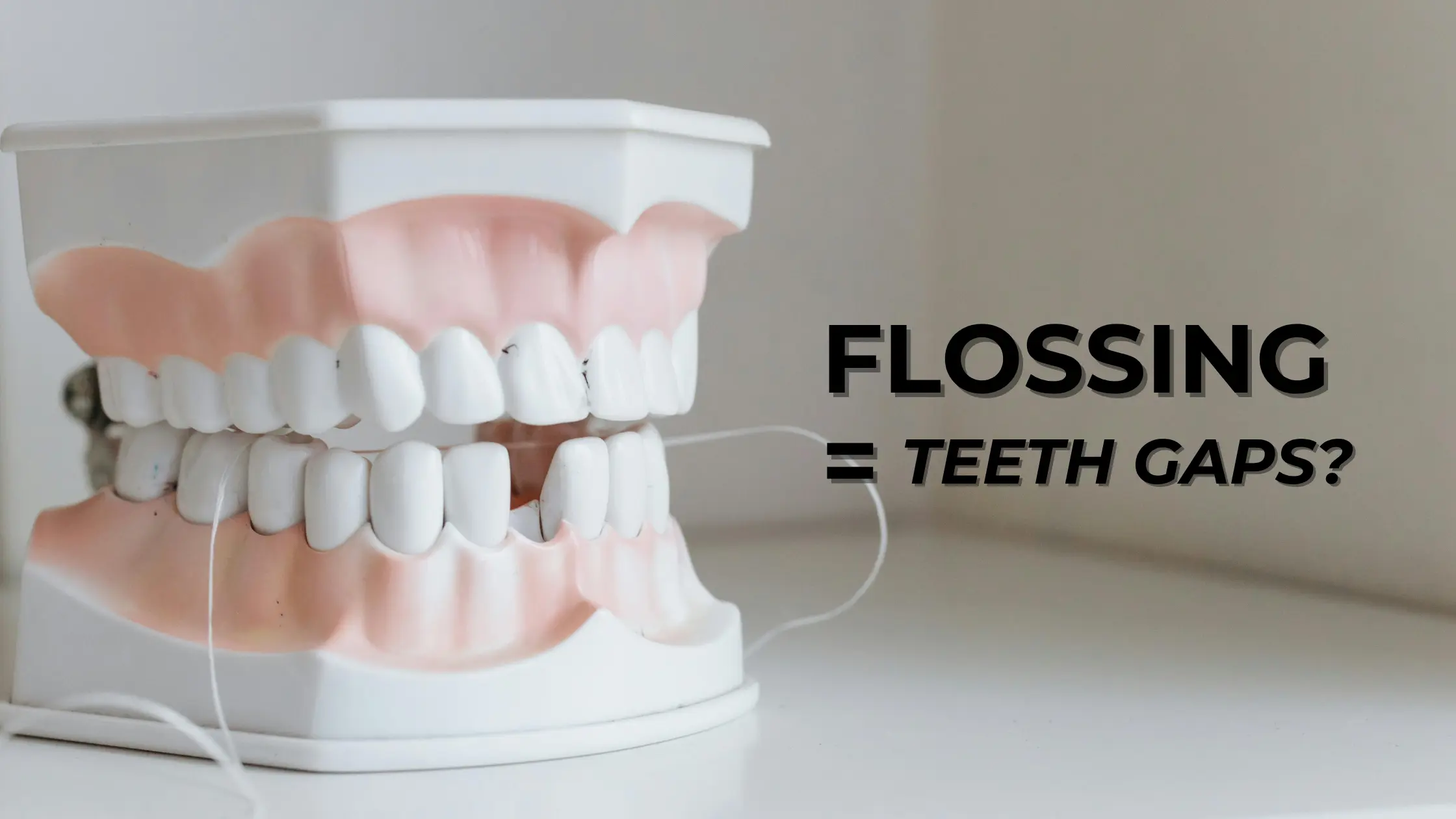
Does Flossing Create Gaps in Teeth? Let’s Clear the Air
Jul 21, 2025 Dr Jaineel Parekh, MDS orthodonticsIt is a common concern- for a good reason. Many people who begin flossing notice small gaps or spaces that were not noti...
Read More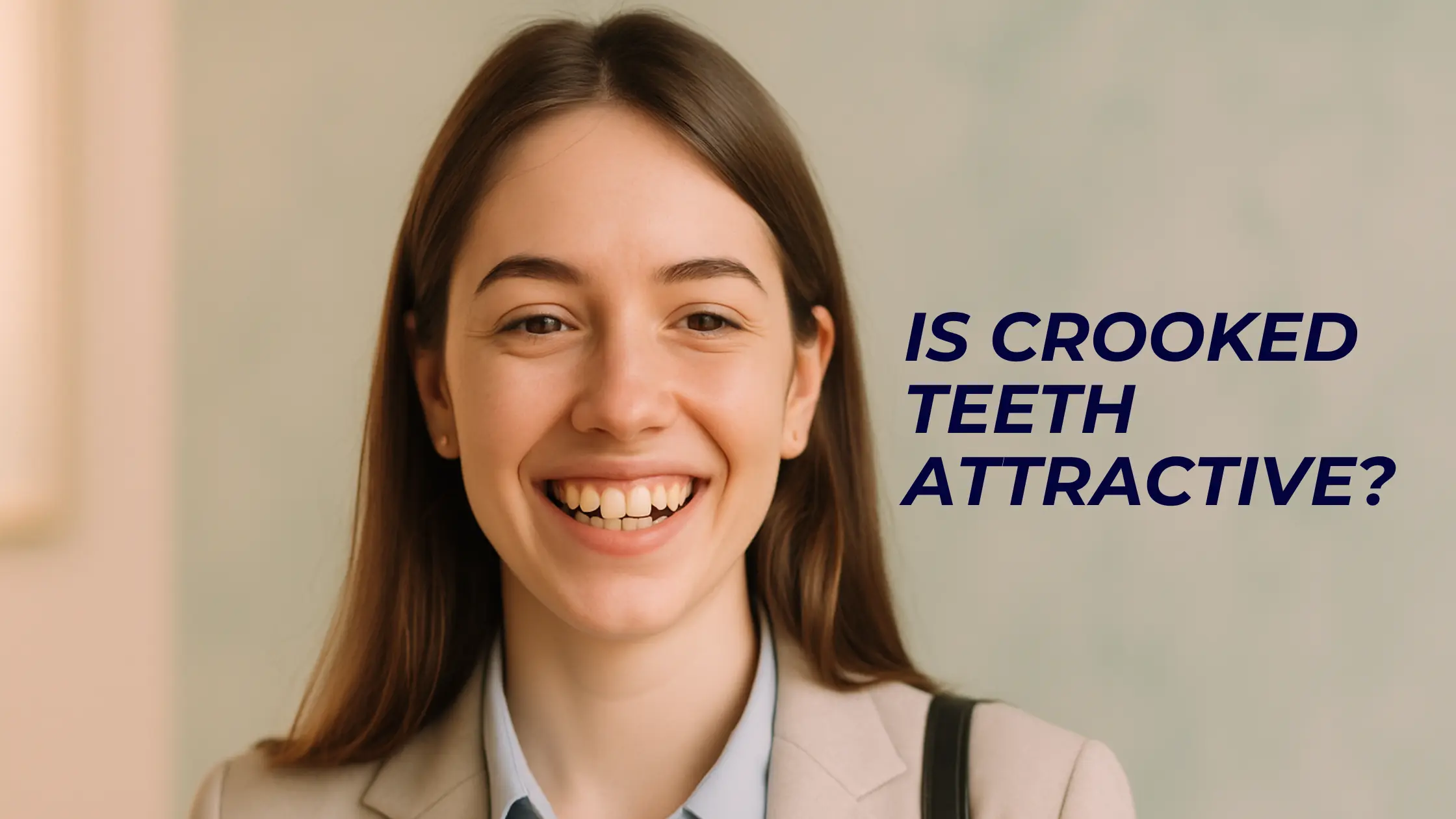
Is Crooked Teeth Attractive? How to Fix Crooked Teeth Without Braces
Jul 21, 2025 Dr Jaineel Parekh, MDS orthodonticsCrooked teeth might add character to your smile. But they can affect confidence, oral hygiene and even functions. Many p...
Read More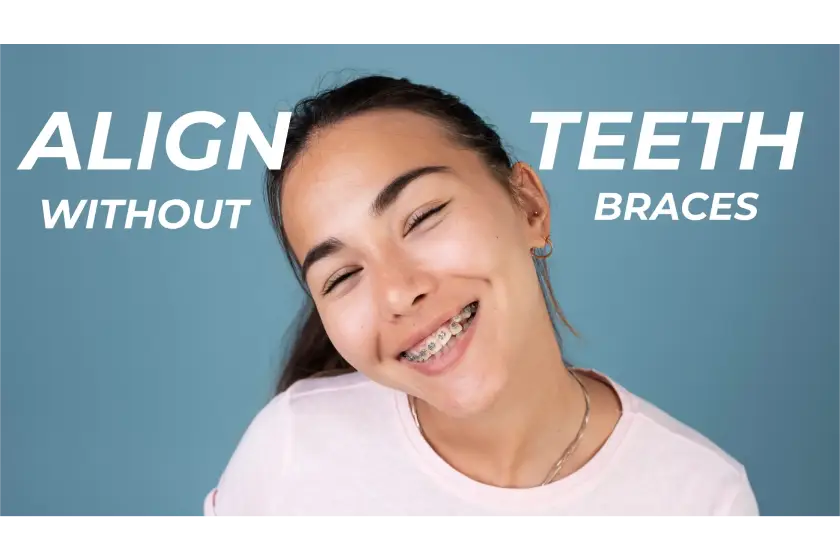
How to Align Teeth Without Braces?
Jul 21, 2025 Dr Jaineel Parekh, MDS orthodonticsEveryone wants to look pretty or presentable, that is one of the major wishes of people this age and generation, to look...
Read More
Clear Aligners Before and After: Real Results with Illusion Aligners
Jul 21, 2025 Dr Jaineel Parekh, MDS orthodonticsBraces can be a big commitment—not just in time and money, but in the way they look and feel. For a lot of people, the...
Read More
Eating with Aligners: What You Can & Can't Do
Jul 21, 2025 Dr Jaineel Parekh, MDS orthodonticsIf you're wearing clear aligners like Illusion Aligners, you already know they’re a comfy, easy & discreet way to stra...
Read More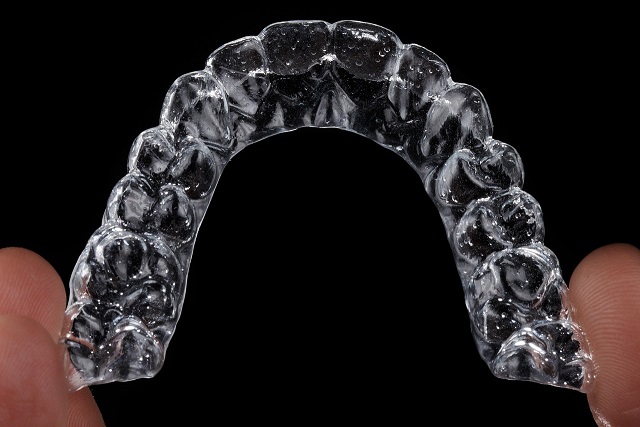
Comfort and Safety with Aligners: What to Expect & How to Stay on Track
Jul 07, 2025 Dr Jaineel Parekh, MDS orthodonticsClear Aligners have transformed the way teeth straightening is done. It is a clear and flexible way to straighten your t...
Read More
Thinking About Orthodontic Treatment? Read This First
Jul 07, 2025 Dr Jaineel Parekh, MDS orthodonticsOrthodontic treatment is more than a picture of kids with metal braces. The awkward smiles, metal wires, and brackets ar...
Read More
What to Expect Week-by-Week with Aligners
Jul 07, 2025 Dr Jaineel Parekh, MDS orthodonticsClear Aligners are transparent and flexible trays which are worn over the upper and lower teeth to bring them into their...
Read More
Clear Aligners for Teens: A Smarter Alternative for Growing Smiles
May 31, 2025 Dr Jaineel Parekh, MDS orthodonticsOrthodontic treatment has always played a crucial role during adolescence. It’s that phase where children transition i...
Read More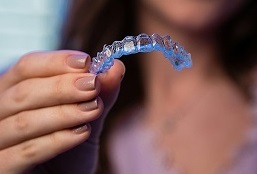
Clear Aligners – The New Way to Align Your Teeth
May 26, 2025 Dr Jaineel Parekh, MDS orthodonticsAre you thinking about getting your teeth straightened but not very sure on the look or feel of metal braces? Then you a...
Read More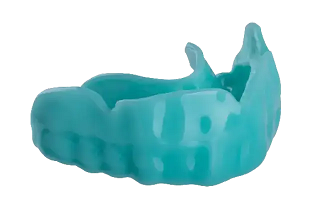
The Guide To Save Every Athletes Smile: Sports Guard
May 26, 2025 Dr Jaineel Parekh, MDS orthodonticsThe Sports Guard (or Mouth Guard) is an important part of safety gear in sports. Sports mouthguards are used in sports l...
Read More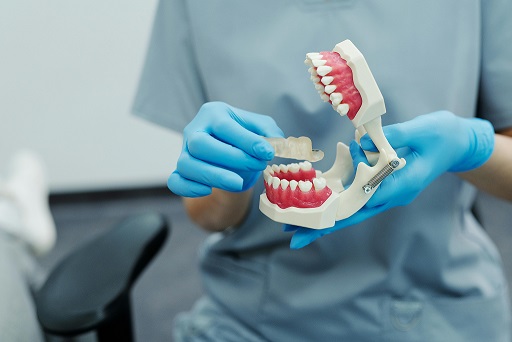
Types of Mouth Guard: Which One Do You Need?
May 26, 2025 Dr Jaineel Parekh, MDS orthodonticsDo you wake up with jaw pain? Or play rough sports like boxing or rugby? If yes, then you might need a mouth guard. But ...
Read More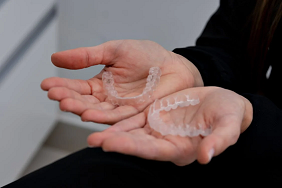
How To Take Care Of Your Clear Teeth Aligners?
May 26, 2025 Dr Jaineel Parekh, MDS orthodonticsClear teeth aligners are the plastic trays given by your dentist to straighten your crooked teeth.
Read More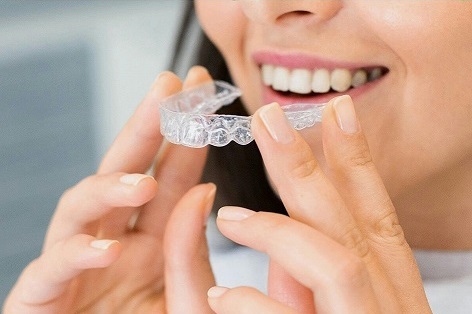
Understanding Your Treatment Plan: What to Expect During Your Aligner Journey
May 26, 2025 Dr Jaineel Parekh, MDS orthodonticsIf your dentist or orthodontist has very told you that you need clear aligners to straighten your teeth, you might have ...
Read More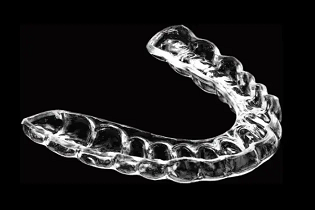
What is a Night Guard and what are its uses?
May 26, 2025 Dr Jaineel Parekh, MDS orthodonticsDo you usually wake up with a sore jaw or extreme headache that causes a lot of discomfort? If yes, then you might be ...
Read More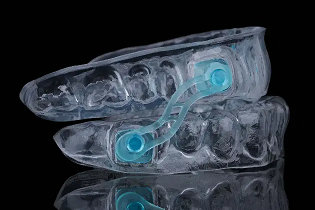
End Snoring: A Guide to Snore Guard
May 23, 2025 Dr Jaineel Parekh, MDS orthodonticsSnoring is not just an annoying nighttime habit. It can be due to some underlying health issues as well. Like, sleep apn...
Read More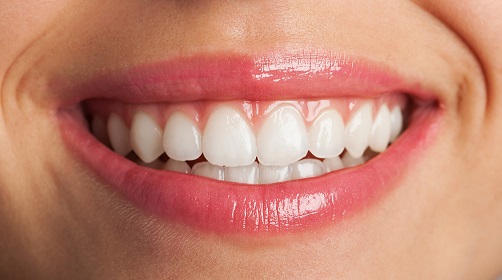
Straight Teeth for Everyone: A Guide to Teeth Straightening at Any Age
May 23, 2025 Dr Jaineel Parekh, MDS orthodonticsA face having a beautiful smile is always pleasing to look at no matter the age of the person. With the progress in scie...
Read More
Metal Braces: Benefits, Costs, and Alternatives
Apr 23, 2025 Dr Jaineel Parekh, MDS orthodonticsSmiling should feel natural and easy. The one that doesn’t hold us back. But when our teeth don’t look the way we’...
Read More
Teeth Braces: Everything You Need to Know Before Getting Them
Apr 22, 2025 Dr Jaineel Parekh, MDS orthodonticsWe all want a flawless smile we can show- off. But when crooked teeth with gaps get in the way, we lose our confidence. ...
Read More
Overjet: Detect Early and Correct Completely
Jan 11, 2025 Dr Jaineel Parekh, MDS orthodonticsAlthough we may take extremely good care of our teeth smiles, some alignment issues can occur due to irregular teeth eru...
Read More © 2024 Illusion Aligners. All Rights Reserved