
Illusion Aligners
Banner

PEOT: A Smarter Approach Towards Early Orthodontics

PEOT (Personalised Early Orthodontic Treatment) is a new-generation orthodontic solution designed to intercept dentofacial problems, encourage healthy oral habits, and optimise airway function while the arches are still developing (typically between ages 6 and 12).

Unlike generic, one-size-fits-all appliances, PEOT is engineered for individual comfort, and compliance, guiding the dentofacial development in critical growth years.

Your patient will receive a series of appliances designed to gently guide growth, improve function, and move them toward stable long-term outcomes.

Who Is PEOT For?

Exclusively for the pre-teen age group, PEOT is best suited for growing patients with malocclusion in the mixed dentition period (late deciduous to early permanent teeth), presenting with crowding tendencies, contracted arches, skeletal malocclusions, and oral habits.

The PEOT Journey

PEOT follows a predictable and structured workflow:

1. Evaluate

2. Mandatory Records

3. Plan

We will share the appliance report with you to proceed with the fabrication of the PEOT appliance for your patient.

4. Deliver

Fit the appliance, review comfort, explain basic wear schedule, and provide instructions about oral exercises.

5. Review

Follow up periodically to monitor arch development, breathing patterns, posture, and appliance wear.

6. Progress

Move to the next appliance stage once goals are met (typically every 3–6 months).

Why Choose PEOT?

PEOT offers a multidimensional approach with customised myofunctional appliances that enhance early intervention strategies and create meaningful functional and orthodontic change, all while integrating smoothly into your daily practice through our guided clinical support.
FAQs for PEOT

Indicated for mixed dentition cases with mild-to-moderate crowding, crossbites, habits (mouth breathing, tongue thrust, thumb sucking), and early Class II/III corrections where fixed appliances are not suitable.
Contraindicated in cases with severe nasal blockage, syndromic skeletal malocclusions, severe maxillary constriction (may respond better to RPE), or non-motivated patients with poor compliance.
PEOT appliances are fully customised and designed for both functional and orthopedic correction with staged progression. They feature built-in breathing and tongue trainers, guide/relief zones, and biocompatible materials for a comfortable treatment experience.
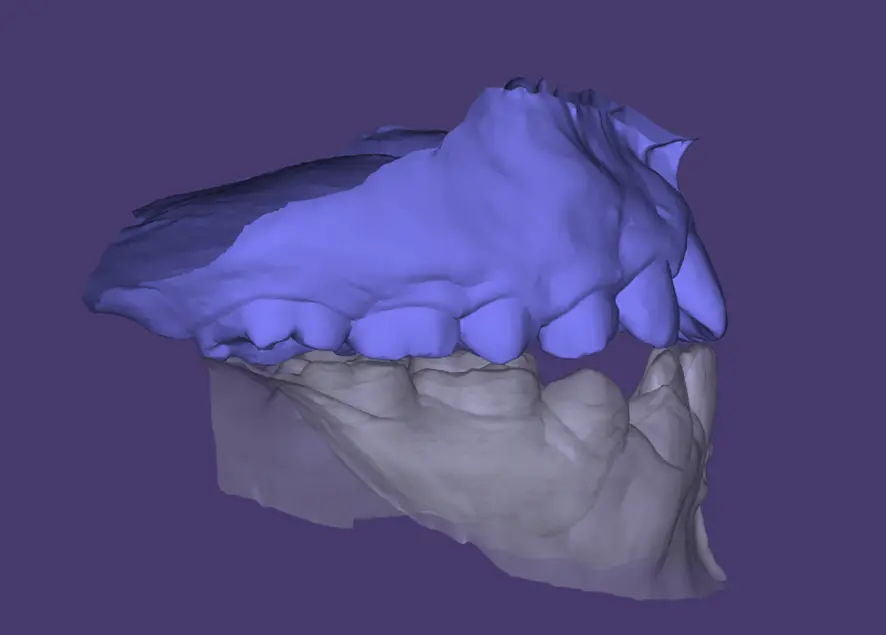
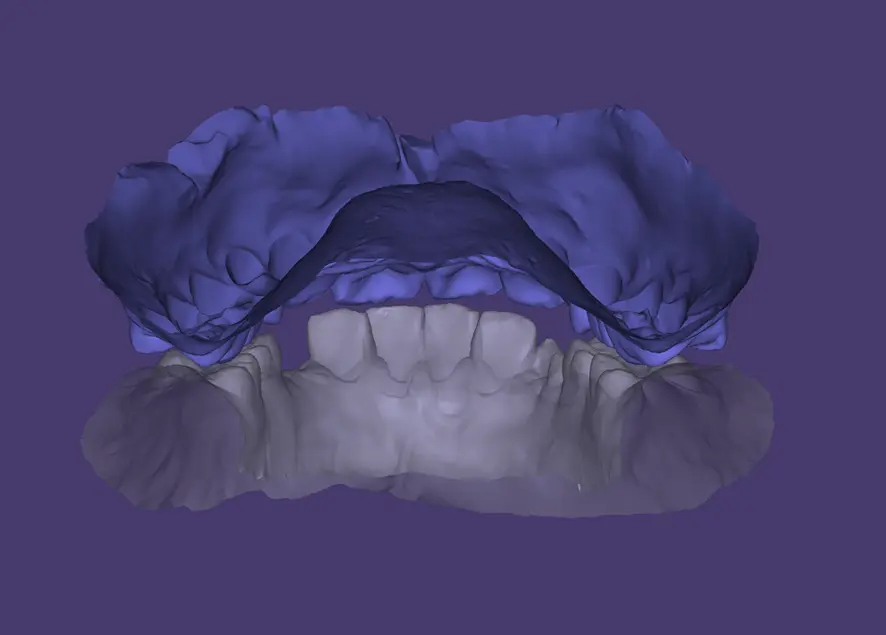
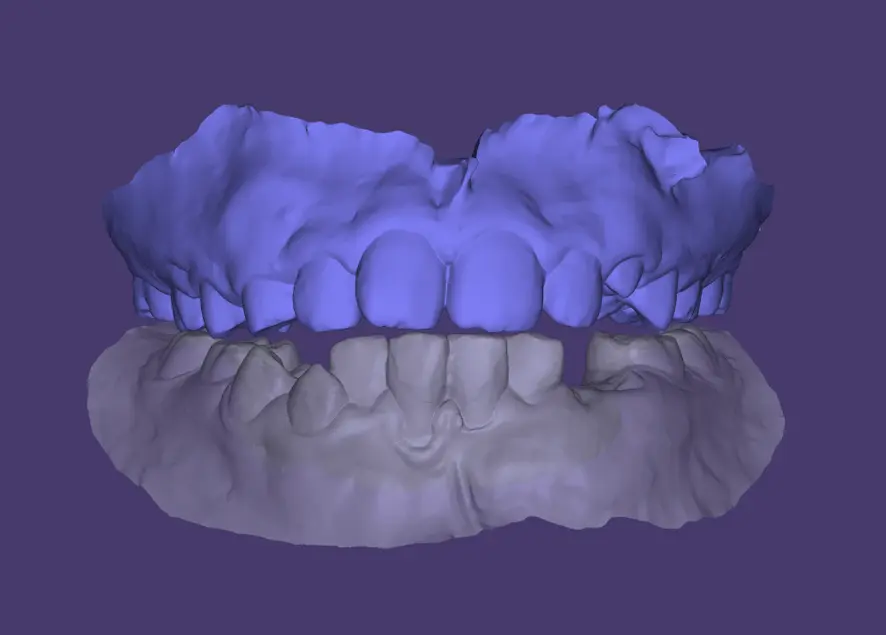
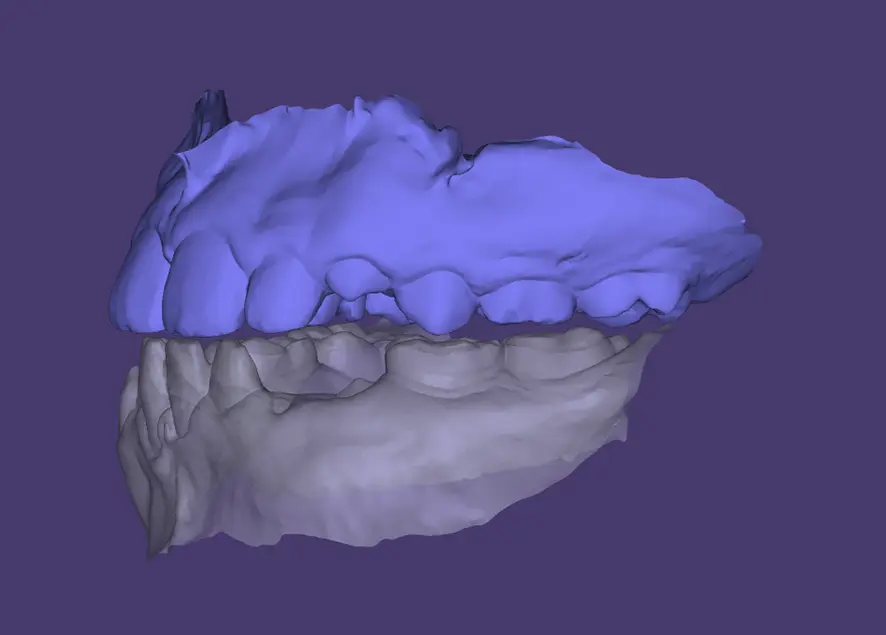
Record both habitual and advanced bites.

A – Habitual Bite (Normal Bite): Record it with the help of an intraoral scan.

B – Advanced/Forward Bite:

Record it at 70% of maximum comfortable protrusion with 1 mm interincisal opening.

OR

For your assistance, please contact your Illusion Representative and request for a bite fixer jig.

Get the patient into an edge-to-edge bite with the help of the jig and stabilise it using a bite registration material/silicone putty

C - Midline Documentation:

Attempt midline coincidence; document deviations with photos.

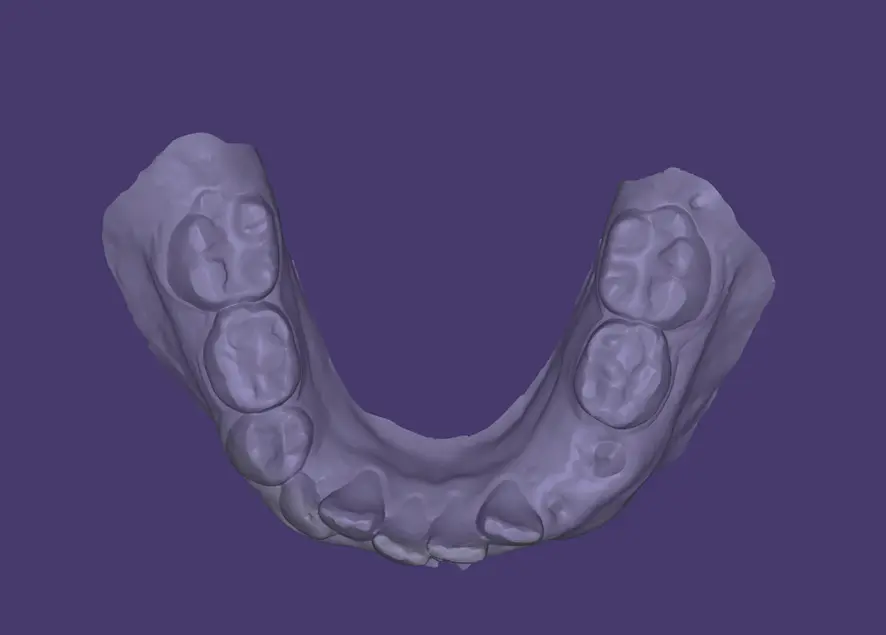
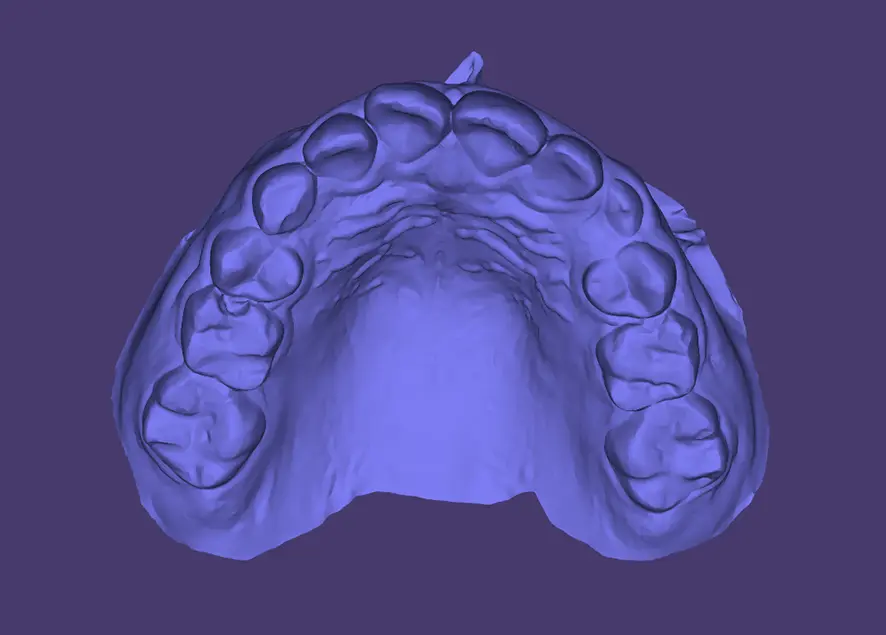
Label all scans clearly and include both habitual and forward registrations.
Capture complete anatomy—arches, sulcus, palate, frenum, and tongue rest spot.

Record both habitual and advanced bites.

Verify full coverage and label scans systematically before submission.

Refer the ideal scan reference: LINK
Scan 1
Scan 2
Scan 3
Scan 4
Scan 5
Scan 6
Minimum 2-6 hours/day, split into shorter intervals, plus night-time wear, as needed. Consistency is more important than continuous duration.
Typically, 12–18 months, depending on case complexity, growth, and compliance. Each appliance stage lasts 2–3 months before progression.
Every 2–3 months for fit assessment, exercise reinforcement, and progress documentation. Updated scans and photos are required at each stage.
Replace every 2–3 months or earlier if worn or damaged. Advance when clinical goals (arch development, habit correction, midline improvement) are met, supported by updated records.
Exercises train tongue posture, lip seal, and nasal breathing—correcting the underlying functional cause of malocclusion.

They are mandatory for lasting orthopedic and orthodontic stability.
Check appliance fit and compliance first. Reassess airway, tongue posture, and growth factors. Update scans and modify treatment staging if progress remains limited.
Accurate records, functional correction, patient motivation, and strict adherence to follow-ups and exercises.

The guiding principle remains “Function Dictates Form,” a stable structure follows correct oral function.

PEOT Is Designed to Transform Your Approach to Early Orthodontics and Open New Growth Opportunities for Your Practice.

To Dive Deeper, Join Our Next Workshop and Learn from PEOT Experts.

FOR ANY FURTHER QUERIES – CONTACT US NOW